

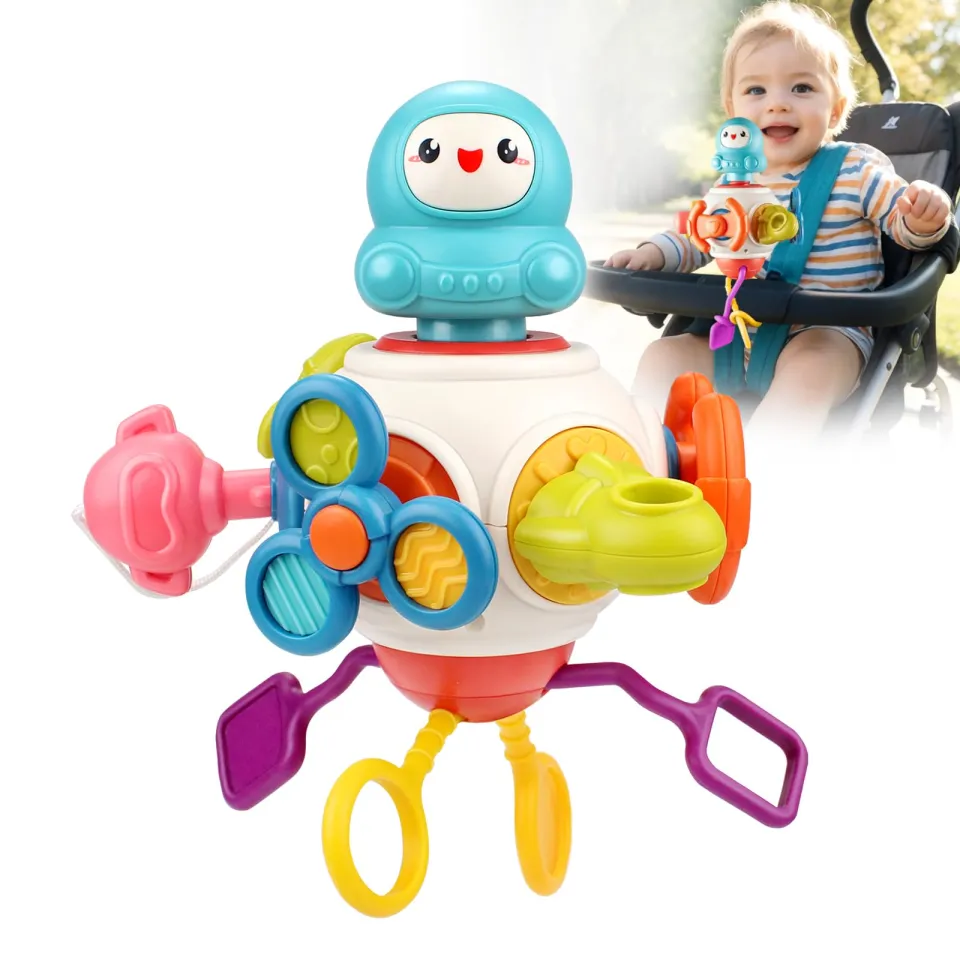
Toys have long been synonymous with childhood fun and entertainment, but their impact stretches far beyond just playtime. They are essential instruments in the developmental journey of every child, helping to foster cognitive, emotional, and social skills that last a lifetime. Whether they’re building intricate structures from blocks, engaging in imaginative role-play, or experimenting with new technologies, toys serve as a catalyst for creativity, growth, and learning. In today’s world, toys continue to evolve, adapting to new educational needs, advancing technologies, and changing societal values, but their core role remains rooted in one essential truth: play is integral to development.
The Science of Play: How Toys Shape Development
Play is not just fun; it is essential to the cognitive, emotional, and social development of children. When children play, they actively engage with their environment and learn how to interact with the world. Studies in developmental psychology emphasize that play allows children to develop problem-solving skills, creativity, language abilities, and social-emotional intelligence.
Toys play an integral role in this process. For example, puzzles, games, and building toys help develop critical thinking, spatial awareness, and hand-eye coordination. As children manipulate toys, they learn to plan, strategize, and problem-solve. A simple game of stacking blocks can teach a child about balance and spatial relationships, while building elaborate structures encourages creativity, planning, and perseverance.
As children engage with toys, they also begin to develop early STEM (Science, Technology, Engineering, Mathematics) skills. Toys like science kits, robotics sets, and building blocks lay the groundwork for understanding complex concepts, from physics and engineering to problem-solving and critical thinking. In an increasingly technology-driven world, such toys provide a head start, fostering skills that are essential in today’s fast-paced, digital age.
Play and Emotional Development: Navigating Feelings through Toys
Emotional intelligence is another area where toys have a profound impact. When children play, they often create imaginary worlds or scenarios that reflect real-life experiences and emotions. Through role-playing with dolls, action figures, or stuffed animals, children can act out scenarios that help them understand their own feelings and the feelings of others.
For instance, children often engage in role-playing games where they pretend to be parents, doctors, or teachers, learning about empathy and caregiving. These experiences help them navigate their emotions and learn how to manage interpersonal relationships. When a child plays with dolls and imagines them feeling sad or happy, they develop empathy by considering the emotional states of others, learning how to respond with care and understanding.
Toys also provide a space for children to work through their fears and anxieties in a safe, controlled environment. Playing with stuffed animals, for example, allows children to practice comforting others and being comforted themselves, helping them develop emotional resilience. This form of emotional practice is critical, as it helps children regulate their emotions, cope with stress, and express themselves in healthy ways.
The Importance of Social Play: Learning Cooperation and Teamwork
In addition to fostering emotional intelligence, toys also play a key role in social development. Social play is an important aspect of childhood, as it teaches children how to interact with others, share, collaborate, and resolve conflicts. Toys that encourage group play—such as board games, sports equipment, or cooperative building toys—help children learn valuable social skills in an enjoyable setting.
Board games, for example, provide children with an opportunity to practice taking turns, following rules, and negotiating with others. These games also teach children how to handle winning and losing with grace, an important skill that promotes emotional growth and resilience. Additionally, team-based activities, like playing with sports toys or group-building games, foster communication, collaboration, and problem-solving skills, which are key components of teamwork.
Social toys, like dolls, action figures, or playsets, also allow children to engage in pretend play that simulates real-world interactions. Whether they are imagining a family, a group of friends, or a workplace scenario, children learn the basics of cooperation, group dynamics, and social hierarchies. These experiences set the foundation for how children will interact with others in their communities, schools, and workplaces as they grow.
The Intersection of Technology and Traditional Play
In today’s world, the line between traditional toys and technology is becoming increasingly blurred. Technology has revolutionized the way children play, offering a range of interactive, digital, and educational toys. From robots that can be programmed to educational apps that teach math or reading, technology-based toys have opened up new avenues for learning and engagement.
STEM-focused toys, such as programmable robots and coding kits, introduce children to concepts that were once reserved for older learners. These 玩具店 not only engage children in hands-on learning but also help develop important skills such as logical thinking, problem-solving, and attention to detail. Tools like LEGO Mindstorms or Kano kits teach coding and engineering in a fun, interactive way, providing children with the foundation to build their own tech innovations in the future.
Despite the rise of digital toys, traditional toys continue to thrive and remain indispensable. Wooden blocks, dolls, and pretend-play toys still offer invaluable opportunities for creativity, imagination, and social interaction that digital toys cannot fully replicate. The key to fostering well-rounded development in children is balancing both types of play: digital and physical. The ideal toys of today combine these elements, encouraging children to learn and grow in multiple ways.
Sustainable and Conscious Toy Choices: A Shift Toward Responsibility
As environmental awareness increases, parents are becoming more conscious of the ecological impact of the toys they purchase. The toy industry is responding to this concern with a growing focus on sustainability. Many companies are now producing eco-friendly toys made from recycled or biodegradable materials, while others are taking steps to reduce plastic waste and carbon footprints in their manufacturing processes.
Sustainable toys not only have a lower environmental impact but also teach children important lessons about caring for the planet. Toys made from natural materials like wood or organic cotton can spark conversations about sustainability, recycling, and environmental responsibility. Additionally, many eco-friendly toys are designed to be durable and long-lasting, reducing the need for frequent replacements and minimizing waste.
Parents are also increasingly seeking toys that are ethically produced, ensuring that workers involved in their creation are treated fairly and paid justly. By supporting brands that prioritize ethical labor practices, parents help instill values of fairness and justice in their children, encouraging them to make responsible choices as consumers.
Conclusion: The Lasting Power of Play
Toys are far more than simple objects of amusement—they are the tools that shape the minds, hearts, and futures of children. Through play, children explore their world, develop essential skills, and engage in meaningful social interactions. From cognitive development and emotional regulation to creativity and teamwork, toys play a vital role in preparing children for the challenges and opportunities of tomorrow.
As the toy industry continues to innovate and embrace technology, there is an exciting future ahead. However, the essence of toys will always remain rooted in their ability to promote play as a central part of a child’s development. Whether it’s a traditional wooden toy or the latest high-tech gadget, toys will continue to unlock the potential of children, one imaginative play session at a time.