
Introduction
Managing workplace refuge in industries that deal with unsafe gases is a vital responsibleness. Accidental gas leaks, toxicant exhaust, and low oxygen levels can put employees and at serious risk, often leadership to accidents, wellness hazards, or dearly-won work disruptions. Many organizations struggle to supervise gas levels effectively, relying on outdated methods that may not ply timely alerts.
Fortunately, modern safety technologies volunteer effective solutions. Gas detectors and gas analyzers ply precise, real-time monitoring of gases, helping keep accidents and exert safe workings conditions. These tools are essential for ensuring both employee safety and work efficiency across various industries.
Understanding Gas Detectors
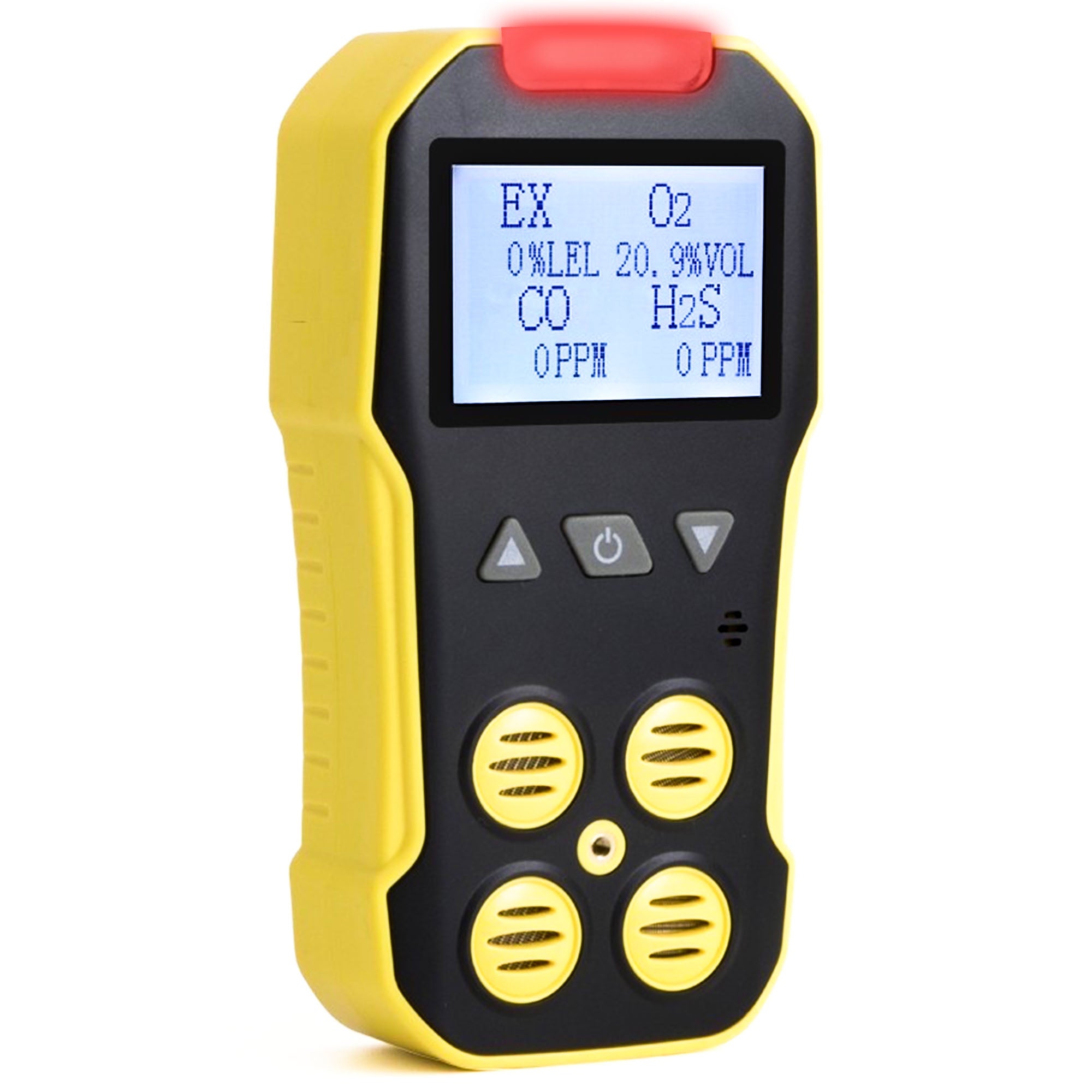
Gas detectors are studied to place the presence of risky gases in an . They are wide used in sectors such as chemical manufacturing, oil and gas, minelaying, and twist. Key purposes of gas detectors let in:
Detection of flammable gases: Preventing fires and explosions in sensitive areas.
Monitoring toxicant gases: Protecting employees from unwholesome substances like carbon monoxide, hydrogen sulfide, and ammonia water.
Oxygen tear down monitoring: Ensuring safe air timber in confined or ill airy spaces.
These devices come in two main types: portable handheld detectors for mortal safety and unmoving detectors installed for straight monitoring. Advanced systems can mechanically trigger off alarms, ventilation system, or emergency shutdowns when unsafe gas levels are detected.
What Are Gas Analyzers?
While gas detectors focus on refuge alerts, gas analyzers ply careful measurements of gas concentrations and compositions. They are necessary for heavy-duty timber control, search, and environmental compliance. Key applications of gas analyzers admit:
Industrial process optimisation: Ensuring precise chemical compositions and efficiency in manufacturing.
Environmental monitoring: Measuring emissions to follow with refuge and regulative standards.
Laboratory search: Providing finespun gas depth psychology for technological experiments and quality examination.
Common types of gas analyzers let in infrared light analyzers, electrochemical analyzers, and mass spectrometers, each designed to supply high levels of accuracy for different applications.
Benefits of Gas Detectors and Gas Analyzers
Implementing these in heavy-duty environments offers several advantages:
Enhanced safety: Early detection of dangerous gases reduces the risk of accidents and health issues.
Regulatory submission: Helps businesses meet workplace refuge regulations and environmental standards.
Operational efficiency: Real-time monitoring enables better process management and less interruptions.
Cost simplification: Prevents to , reduces , and lowers medical exam or valid expenses associated with gas exposure.
Conclusion
Gas detectors and gas analyzers are necessity technologies for maintaining safety, efficiency, and compliance in heavy-duty and commercial environments. By detecting risky gases early and providing accurate mensuration data, these tools protect workers, optimize processes, and check a secure workplace. Investing in trustworthy tocsin 4 co detector detection and depth psychology is a active step toward safer, smarter, and more effective trading operations.