
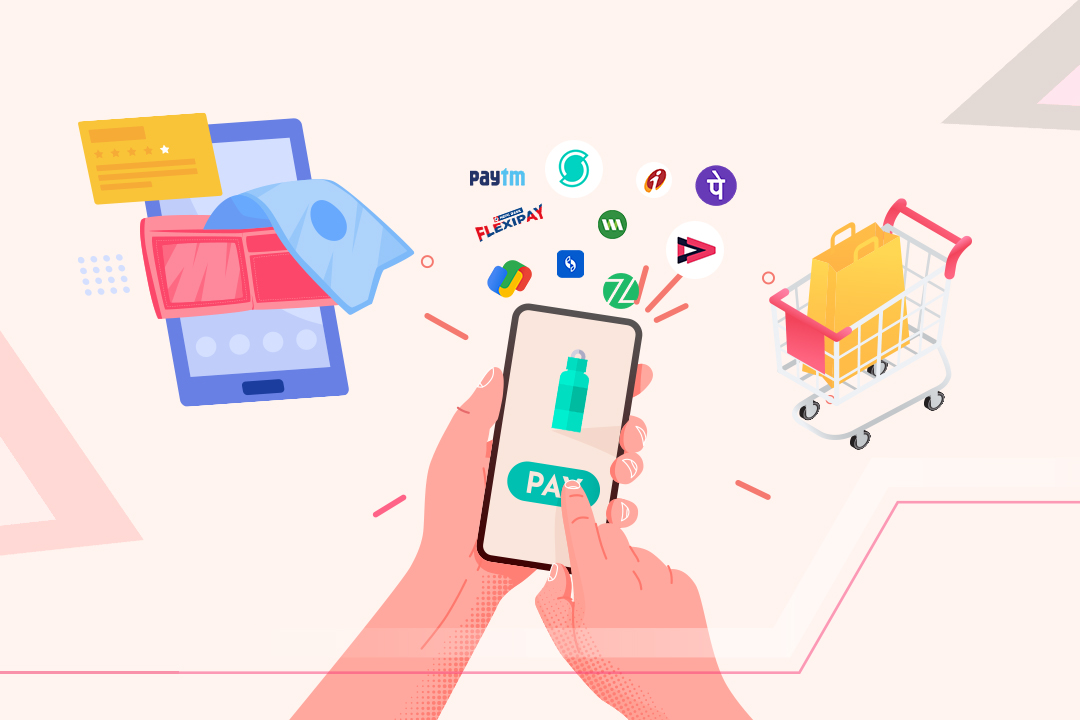
The advent of e-payments marks a pivotal shift in the financial landscape, enabling fast, secure, and efficient transactions across the globe. With the growth of digital platforms and a widespread internet culture, e-payments have become the cornerstone of modern commerce. Whether it’s for buying everyday items, transferring money internationally, or paying for services, electronic payments have significantly reduced the friction and delays associated with traditional financial systems. This article explores the rise of e-payments, their advantages, various types, challenges, and their potential future impact on the global economy.
What Are E-Payments?
E-payments refer to the electronic exchange of funds or digital payments made through the internet or other electronic channels. Unlike traditional cash transactions, e-payments are processed electronically and are typically used for online shopping, paying bills, transferring money, or even investing in stocks. E-payment systems enable the exchange of value using digital tools like credit/debit cards, mobile wallets, and online banking, facilitating an increasingly cashless economy.
These systems rely on the use of secure networks, data encryption, and various technologies to ensure that funds are transferred between parties reliably and efficiently. The global shift toward e-payments reflects the growing demand for convenience, accessibility, and security in everyday financial transactions.
The Evolution of E-Payments
E-payments have evolved significantly over the years. The transformation from physical cash to digital payment systems has been driven by technological advancements, changing consumer behavior, and the need for more efficient transaction methods. Here’s a glimpse into how e-payments have evolved:
-
The Birth of Credit Cards (1950s – 1980s) The origins of electronic payments can be traced back to the introduction of credit cards. The first widespread use of credit cards occurred in the mid-20th century, starting with American Express and MasterCard. Consumers no longer had to carry large sums of cash to make purchases; they could simply charge their purchases to a credit card, paying it off later.
-
Online Payment Systems and PayPal (1990s – Early 2000s) As the internet became more prevalent in the 1990s, the demand for online payment methods grew. PayPal, founded in 1998, emerged as one of the first major online payment platforms, allowing consumers to send and receive money securely over the internet. It made online shopping easier by providing a safe alternative to entering sensitive credit card information directly on e-commerce websites.
-
Mobile Payments (2000s – Present) The explosion of smartphones in the early 2000s opened up a new frontier for digital payments. Services like Apple Pay, Google Pay, and Samsung Pay allowed users to make payments by tapping their mobile devices at NFC-enabled point-of-sale (POS) terminals. Mobile wallets revolutionized payments, combining convenience with security.
-
Cryptocurrency Payments (2009 – Present) The introduction of Bitcoin in 2009 and the underlying blockchain technology brought about a major shift in the world of digital payments. Unlike traditional currencies, cryptocurrencies are decentralized and operate on a peer-to-peer network. Over time, cryptocurrencies like Ethereum and Litecoin also gained popularity, offering an alternative means of transaction beyond conventional payment systems.
-
Buy Now, Pay Later (BNPL) (2010s – Present) In recent years, the Buy Now, Pay Later (BNPL) model has surged in popularity. With services like Klarna, Afterpay, and Affirm, consumers can make purchases and spread out their payments over time, typically with no interest if paid off within a designated period. This service is increasingly common in e-commerce, particularly for higher-ticket items.
Types of E-Payments
E-payments come in a variety of formats, each catering to different needs, transaction volumes, and consumer preferences. Here are the most widely used types of e-payment systems:
-
Credit and Debit Cards Credit and debit cards are perhaps the most well-known form of e-payments. Credit cards allow consumers to borrow money up to a certain limit, while debit cards allow users to spend money directly from their bank accounts. Both cards are issued by financial institutions like Visa, MasterCard, and American Express, and are widely accepted across both online and offline merchants.
-
Digital Wallets (E-Wallets) Digital wallets, also called e-wallets, are online platforms that store a user’s payment information securely. Popular e-wallets like PayPal, Apple Pay, Google Pay, and Venmo enable users to make payments quickly and securely without needing to enter credit card information each time. E-wallets also support a variety of other features, such as storing loyalty cards and redeeming gift cards.
-
Bank Transfers Bank transfers are another form of e-payment that allows individuals and businesses to send funds directly from one bank account to another. They are commonly used for larger transactions such as bill payments or salary deposits. In some regions, systems like ACH (Automated Clearing House) in the United States or SEPA (Single Euro Payments Area) in Europe facilitate low-cost, real-time bank transfers.
-
Cryptocurrency Payments Cryptocurrencies like Bitcoin and Ethereum operate on decentralized blockchain networks and allow users to send and receive payments without the need for intermediaries like banks. These digital currencies have gained traction, especially in international payments, due to their low transaction fees, speed, and anonymity features.
-
Mobile Payments Mobile payment systems such as Apple Pay and Samsung Pay allow consumers to make payments directly from their smartphones. This type of e-payment leverages Near Field Communication (NFC) technology to complete transactions by tapping the device near a compatible point-of-sale terminal. This method has become particularly popular in physical retail spaces and public transportation systems.
-
Buy Now, Pay Later (BNPL) The BNPL service model allows consumers to purchase products and pay for them in installments, with no interest if the balance is paid within a set time frame. Popular platforms such as Klarna, Afterpay, and Affirm have gained traction, especially among younger shoppers who prefer flexibility in their payment options.
Advantages of E-Payments
E-payments offer numerous benefits that make them appealing to both consumers and businesses alike:
-
Convenience One of the most significant advantages of e-payments is their convenience. Consumers can complete transactions in seconds, whether they're making an online purchase, paying for utilities, or sending money to a friend. No longer do individuals need to worry about carrying cash or visiting the bank—payments can be made from any device with internet access.
-
Speed E-payments are processed quickly, often instantly or within a few minutes, depending on the type of transaction. This is particularly beneficial for consumers and businesses who need fast payments, such as in e-commerce or international money transfers.
-
Security payment system systems often use advanced encryption and multi-factor authentication (MFA) to ensure the security of transactions. Technologies like tokenization also help protect sensitive financial data, reducing the likelihood of fraud and identity theft.
-
Global Reach E-payment platforms enable international transactions without the need for physical currency exchanges. This makes it easier for consumers to purchase goods and services from other countries, and businesses can expand their customer base globally.
-
Cost-Effectiveness Many e-payment systems have lower transaction fees compared to traditional payment methods like checks or credit card payments. For businesses, adopting e-payment systems can reduce costs related to cash handling, check processing, and other administrative tasks.
-
Financial Inclusion E-payments are helping promote financial inclusion by enabling individuals without access to traditional banking systems to participate in the economy. For example, mobile money platforms like M-Pesa have empowered millions in developing countries to send and receive money, pay bills, and access financial services via their mobile phones.
Challenges of E-Payments
Despite their numerous benefits, e-payments come with several challenges:
-
Cybersecurity Risks As e-payments grow in popularity, they become more attractive targets for cybercriminals. Fraud, data breaches, and hacking are significant concerns, and companies must invest in robust security systems to protect both consumer data and financial transactions.
-
Privacy Issues E-payment systems often require users to share personal and financial information. This raises concerns about data privacy, especially in the event of a data breach or unauthorized access to consumer data.
-
Digital Divide While e-payments offer great convenience, they can leave behind populations without access to the internet, smartphones, or digital banking services. This digital divide can exclude certain groups, especially in rural or underserved regions, from benefiting from e-payments.
-
Regulatory and Compliance Challenges The rapid growth of e-payments has led to regulatory challenges. Governments are working to create frameworks that protect consumers while ensuring the security and stability of e-payment systems. Inconsistent regulations across different regions can also create challenges for global businesses.
The Future of E-Payments
The future of e-payments is incredibly promising, as technological advancements and evolving consumer behaviors continue to reshape the space. Key trends that are expected to drive the future of e-payments include:
-
Blockchain and Cryptocurrencies Blockchain technology and cryptocurrencies will continue to disrupt traditional payment systems. More businesses are expected to adopt cryptocurrencies for transactions, and central bank digital currencies (CBDCs) may become the norm in certain countries.
-
Artificial Intelligence (AI) and Machine Learning AI and machine learning will play a crucial role in enhancing fraud detection and streamlining payment processes. These technologies can help identify suspicious transactions and improve customer service by offering more personalized experiences.
-
Biometric Authentication Biometric authentication methods, such as facial recognition, fingerprint scanning, and voice recognition, will become more widely adopted in e-payments, offering users more secure and convenient ways to authenticate payments.
-
Seamless Payments via IoT The Internet of Things (IoT) will lead to more frictionless payments. Devices like smart refrigerators, wearable technology, and autonomous vehicles will soon handle payments automatically, making financial transactions even more integrated into daily life.
Conclusion
E-payments have already revolutionized the way we conduct financial transactions, and their continued growth will shape the future of global commerce. From the convenience of mobile wallets to the transparency of cryptocurrencies, e-payments offer a range of benefits for consumers and businesses alike. However, addressing challenges such as cybersecurity risks, privacy concerns, and financial inclusion will be key to ensuring that the transition to a cashless society remains beneficial for all. As technology evolves, e-payments will become an even more integral part of our everyday lives, driving greater efficiency, convenience, and security in financial transactions.