

Introduction — a quiet question that matters
Have you ever wondered why a single hiccup at the shop floor can ripple into days of delay? I ask that because I have stood beside late-night operators watching a machine refuse one more cut. CNC machine service shapes production every day. Data shows that even small missteps — a wrong feed rate or a worn spindle — can cut throughput by 10–30% (you feel the pressure on deadlines). How do we stop minor faults from becoming full stops?
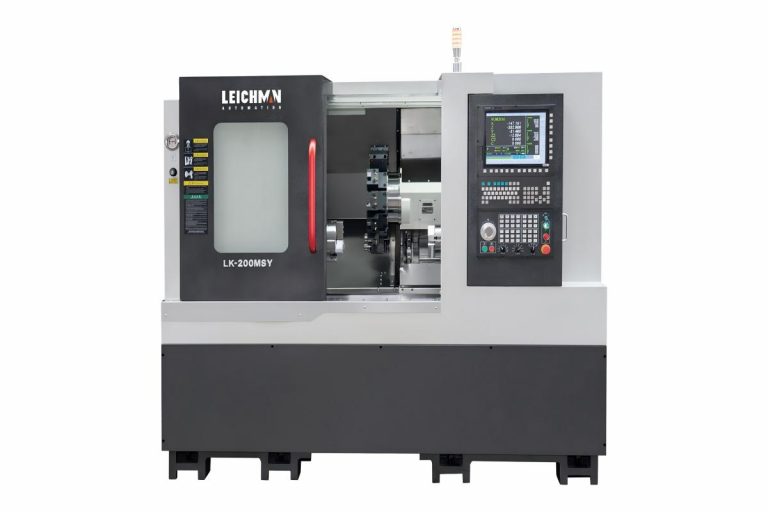
I want to share what I’ve learned — not as a lecture but as a conversation. We will look under the hood: tool path choices, spindle speed tuning, coolant systems that do their job — and the habits that hide issues until they bite. I’ll be candid about where teams go wrong and where simple fixes bring big wins. Let’s move from worry to a clear plan.
This piece will compare common approaches and point toward better choices, step by step — next, we’ll dig into what actually breaks down in current solutions.
Part 2 — Where current fixes fall short (deep dive)
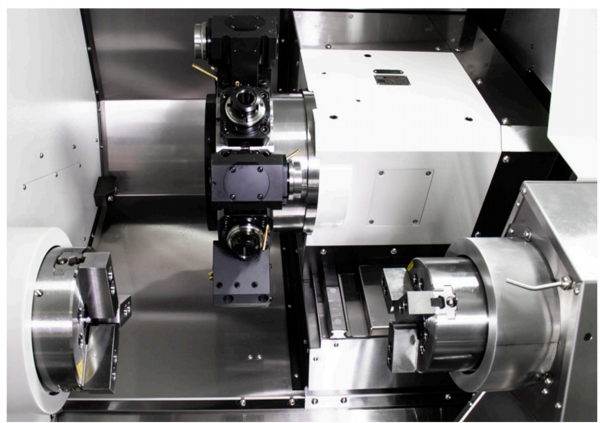
automated cnc machining services promise efficiency, but I’ve seen the gap between promise and reality. In many shops, automation masks problems instead of solving them. Controllers spit out G-code on schedule, but the machine still fights the cut because calibration slipped or the tool changer mis-seated a bit. Technical attention here matters: wrong tool offsets, bad linear guides, or a neglected coolant system show up as chatter, poor finishes, or broken tools.
Why do these systems fail?
First, solutions often assume perfect inputs. They expect ideal CAD/CAM files, flawless tool presets, and steady spindle speed. Real life is messier. Operators swap tools, fixtures shift, and a feed rate that worked yesterday ruins a part today. Second, monitoring is shallow. Many setups track cycle time but not torque spikes or micro-vibrations. Those clues matter — they tell us that a servo motor is hunting or a ball screw needs service. Look, it’s simpler than you think when you listen to the data — and act on it.
Finally, training and process gaps are overlooked. Automation can lull teams into complacency. If a system auto-corrects a small offset, operators may skip checks. Over time those small offsets grow. I’ve rebuilt routines that brought shops back to tight tolerance. It required modest investments: updated tool offsets, a tighter preventative plan, and a smarter approach to G-code verification. — funny how that works, right?
Part 3 — Looking forward: principles and choices for better outcomes
Now let’s shift to the future. I prefer to think in principles rather than buzzwords. New technology should help you keep parts in spec and lower scrap. That means smarter sensors on spindle bearings, closed-loop feedback for feed rate control, and better CAD/CAM validation before a program ever touches metal. We can also draw lessons from real cases: one mid-size shop I worked with cut rework by half after adding simple spindle vibration monitoring and tightening tool management. The shop saved time, and morale improved — people felt less firefighting and more control.
What’s Next?
For shops weighing upgrades, focus on measurable gains. Add condition monitoring that watches torque and spindle speed. Use CAM simulations to catch bad tool paths before they run. Standardize tool libraries so tool offsets aren’t guessing games. These steps reduce surprises and improve uptime. I’m not saying replace everything. Start with targeted fixes — better tool holders, routine checks on linear guides, and a clear plan for coolant maintenance. Small changes stack into big results — and yes, they cost less than you’d expect.
To wrap up, here are three metrics I use when advising teams: mean time between failures (MTBF), scrap rate by job, and first-pass yield. Use these to judge vendors, evaluate upgrades, and set priorities. I’ll leave you with one thought: invest in practices that keep operators informed and empowered. If you want a partner in that journey, check out how Leichman approaches practical, real-world solutions for shops like yours — they focus on results, not buzz.