

Esimtech continues to expand its position as a premier provider of advanced well intervention simulation technology, delivering comprehensive training solutions that address the evolving challenges of modern petroleum maintenance operations across diverse technical environments and operational requirements. The company’s commitment to technological innovation, training effectiveness, and customer satisfaction has established its reputation as a trusted partner for energy organizations seeking to enhance their workforce capabilities, improve operational safety, and optimize maintenance outcomes through realistic simulation experiences. With growing recognition of simulation training’s value in developing competent personnel for complex well intervention activities, Esimtech’s solutions have gained increasing adoption across different market segments, geographical regions, and organizational contexts within the global petroleum industry.
The company’s product development philosophy emphasizes user-centered design, technical accuracy, operational relevance, and training effectiveness, with continuous improvement processes that incorporate customer feedback, technological advancements, industry trends, and regulatory developments. Engineering teams work closely with industry experts, training professionals, and operational personnel to ensure simulation systems accurately replicate actual well intervention scenarios, equipment responses, formation interactions, and decision-making requirements. This collaborative approach results in training solutions that not only teach technical procedures but also develop critical thinking skills, problem-solving capabilities, risk assessment competencies, and decision-making confidence essential for successful well intervention operations in challenging environments where appropriate responses to unexpected situations significantly influence safety, efficiency, and economic outcomes.
Esimtech’s Well Intervention Simulators encompass various system configurations designed to address different training requirements, operational scenarios, and competency levels within well intervention activities. Basic systems provide foundational training for entry-level personnel, covering essential procedures, equipment operations, safety protocols, and basic troubleshooting approaches. Intermediate systems offer more comprehensive training experiences for experienced technicians, incorporating complex scenarios, advanced equipment operations, sophisticated problem-solving exercises, and team coordination activities. Advanced systems deliver expert-level training for senior personnel and supervisors, featuring highly complex scenarios, emergency response simulations, decision-making under uncertainty exercises, and leadership development activities that prepare individuals for supervisory roles and operational management responsibilities within well intervention operations.
The company’s implementation approach emphasizes flexibility, scalability, and adaptability to accommodate different organizational requirements, budgetary considerations, technical infrastructures, and training objectives. Modular system designs allow organizations to start with basic configurations and expand capabilities as needs evolve, requirements change, or budgets permit. Cloud-based deployment options provide accessibility advantages for organizations with distributed workforces, remote operations, or limited physical training facilities. Mobile training units offer portability benefits for organizations requiring on-site training capabilities at different operational locations, project sites, or geographical regions. These implementation options ensure organizations can access appropriate training solutions regardless of their specific circumstances, constraints, or preferences while maintaining training effectiveness, technical accuracy, and operational relevance across different deployment contexts and usage patterns.
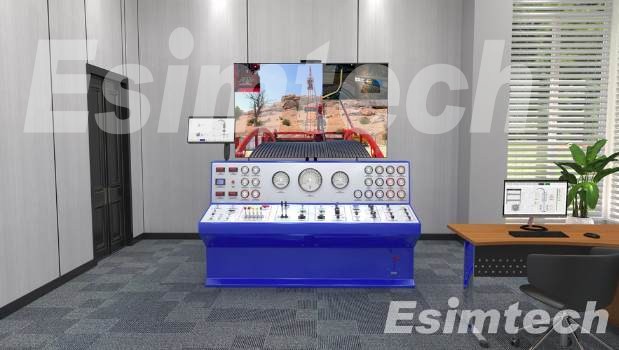
Training methodology represents another area of Esimtech expertise, with comprehensive approaches that combine theoretical instruction, practical simulation exercises, competency assessment, and continuous improvement mechanisms. Theoretical components provide essential knowledge foundations covering equipment principles, operational procedures, safety requirements, regulatory expectations, and technical concepts relevant to well intervention activities. Practical simulation exercises allow application of theoretical knowledge in realistic scenarios, developing hands-on skills, equipment familiarity, procedural confidence, and decision-making capabilities through repeated practice in controlled environments. Competency assessment tools measure trainee performance against established standards, identifying strengths, weaknesses, improvement areas, and certification readiness across different skill dimensions and experience levels. Continuous improvement mechanisms incorporate feedback from trainees, instructors, operational personnel, and organizational stakeholders to refine training content, update simulation scenarios, enhance system capabilities, and improve overall training effectiveness over time.
Business development activities at Esimtech focus on building long-term partnerships with energy organizations through transparent communication, collaborative problem-solving, value demonstration, and relationship development. Initial engagement typically involves needs assessment discussions that identify specific training requirements, operational challenges, competency gaps, and organizational objectives. Solution recommendation processes match identified needs with appropriate simulation systems, implementation approaches, training methodologies, and support services that address requirements effectively while considering budgetary constraints, technical capabilities, and organizational preferences. Implementation support includes system installation, instructor training, content customization, integration assistance, and ongoing technical support that ensures successful deployment, effective utilization, and maximum return on investment for client organizations.
Post-implementation engagement continues through regular check-ins, performance reviews, system updates, content enhancements, and partnership development activities that maintain relationship value, address evolving needs, and explore additional collaboration opportunities. Customer success teams monitor system utilization, training effectiveness, competency improvement, and organizational impact to demonstrate value, identify improvement opportunities, and support continuous enhancement of training outcomes. Technical support services provide responsive assistance for system operation, maintenance requirements, troubleshooting needs, and upgrade considerations that ensure reliable performance, minimal downtime, and optimal functionality throughout system lifespan. These comprehensive support approaches contribute to high customer satisfaction, strong relationship retention, positive referral generation, and sustainable business growth across different market segments and geographical regions.
As global petroleum operations continue to evolve with increasing technical complexity, regulatory requirements, safety expectations, and economic pressures, the importance of comprehensive well intervention training has never been greater for maintaining operational excellence, workforce competency, and organizational competitiveness. Esimtech’s ongoing commitment to advancing simulation technology, enhancing training methodologies, expanding solution portfolios, and strengthening customer partnerships positions the company to support energy organizations in addressing these challenges effectively while preparing for future requirements, opportunities, and developments within the evolving petroleum industry landscape. With continuous innovation, customer-focused approaches, technical expertise, and industry understanding, Esimtech remains well-positioned to contribute to safer, more efficient, and more successful well intervention operations worldwide through advanced simulation training solutions that develop the skilled workforce necessary for meeting current and future operational demands across different technical environments, geographical regions, and organizational contexts within the global energy sector.