

Since the introduction of the first commercial deodorant in 1888 and the first antiperspirant in 1903, personal hygiene products have become ubiquitous in modern society. However, as awareness grows about the ingredients we apply to our bodies and their environmental impact, many consumers are reevaluating their choices. The market has responded with an explosion of natural, eco-friendly alternatives that promise effectiveness without compromise. This shift represents more than just a trend—it's a movement toward greater transparency, sustainability, and harmony with our bodies' natural processes.
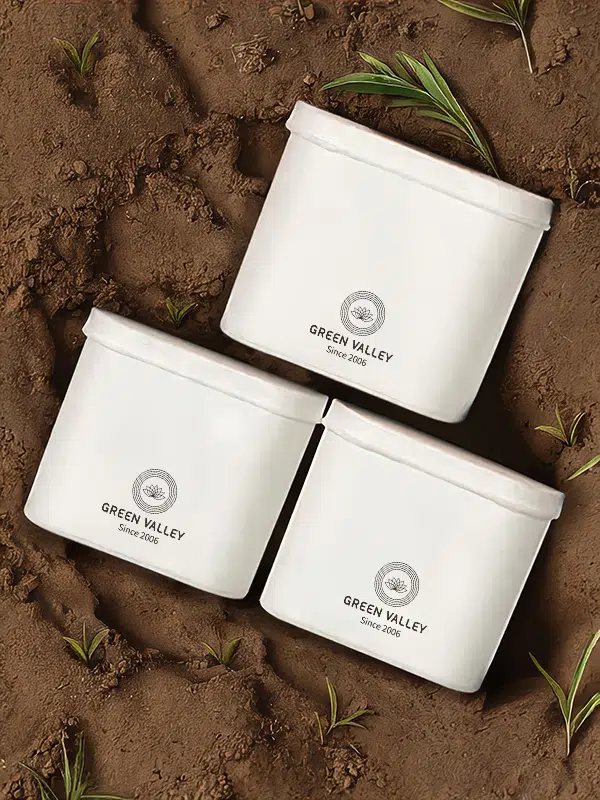
Modern natural deodorants offer effective odor protection with environmentally friendly packaging
Rethinking Conventional Deodorants
Traditional deodorants and antiperspirants have dominated the market for decades, praised for their ability to control sweat and odor effectively. However, growing concerns about their ingredients and environmental impact have led many to question their continued use. While organizations like Cancer Research UK maintain that there's insufficient evidence linking aluminum in deodorants to cancer, the debate persists about other potential health effects.
Beyond health considerations, conventional deodorants present significant environmental challenges. Aerosol versions contribute substantially to air pollution through volatile organic compounds (VOCs), while plastic packaging often ends up in landfills. Even when containers are technically recyclable—like many empty deodorant containers—the reality is that complex designs with multiple materials make proper recycling difficult for consumers.
The Natural Alternative
Natural deodorants offer a fundamentally different approach to personal hygiene. Rather than blocking sweat glands like antiperspirants do, they work with the body's natural processes to manage odor while allowing normal perspiration. This distinction is crucial—sweating plays important roles in temperature regulation and detoxification, functions that shouldn't be artificially suppressed.
Formulations vary but typically include plant-based ingredients like coconut oil, shea butter, and essential oils alongside natural odor absorbers such as baking soda or arrowroot powder. These components are biodegradable and generally gentler on skin than their synthetic counterparts. Many brands now offer options specifically formulated for sensitive skin, often reducing or eliminating baking soda which can cause irritation for some users.
The environmental benefits extend beyond ingredients to packaging solutions. Cardboard tubes, glass jars, and refillable systems dramatically reduce plastic waste compared to conventional deodorants. Some companies have implemented innovative approaches like compostable bamboo pulp containers or aluminum cases designed for years of use with replaceable inserts, addressing concerns about empty deodorant containers contributing to landfill waste.
Transitioning to Natural Options
Switching from conventional to natural deodorant often requires an adjustment period as the body rebalances its natural processes. During this transition—which can last up to two weeks—many experience increased sweating and stronger body odor as toxins that were previously blocked are expelled. Wearing breathable natural fiber clothing can help manage this phase, which is temporary but important for long-term success with natural products.
| Transition Phase | Duration | What to Expect | Helpful Tips |
|---|---|---|---|
| Initial Adjustment | 3-5 days | Possible increase in sweating | Stay hydrated, wear breathable fabrics |
| Detoxification | 5-10 days | Stronger body odor may occur | Reapply deodorant as needed, consider gentle exfoliation |
| Stabilization | 10-14 days | Body regulates sweat and odor naturally | Continue with natural deodorant routine |
Exploring the Market Leaders
The natural deodorant market has evolved rapidly, with numerous brands now offering high-performance options that rival conventional products in effectiveness. Wild stands out with its refillable system and carbon-negative commitment, while Salt of the Earth provides versatile formats including spray, roll-on, and crystal options. The Natural Deodorant Co. specializes in balm formulations packaged in glass jars, appealing to those seeking plastic-free solutions.
For manufacturers and retailers looking to enter this growing market, the variety of deodorant packaging options available today makes it easier than ever to create sustainable, attractive products. From cardboard tubes to aluminum cases, the packaging possibilities align well with consumer demand for eco-conscious personal care solutions.
The DIY Approach
For those who prefer complete control over ingredients, homemade natural deodorants present an appealing option. Simple recipes typically combine coconut oil, baking soda, arrowroot powder, and essential oils for fragrance. This approach eliminates concerns about empty deodorant containers entirely, as homemade versions can be stored in reusable glass jars. However, effectiveness varies by individual body chemistry, and some trial and error may be needed to find the perfect formula.
Beyond personal use, the shift toward natural deodorants reflects broader changes in consumer priorities. People increasingly seek products that align with their values—transparency about ingredients, environmental responsibility, and respect for the body's natural functions. As research continues and formulations improve, natural deodorants are poised to move from niche alternative to mainstream choice, redefining expectations for personal care products in the process.